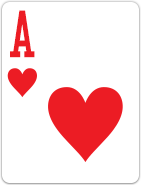
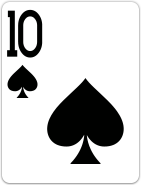
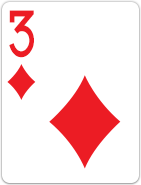
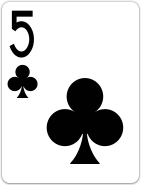
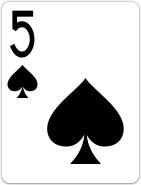
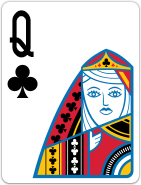
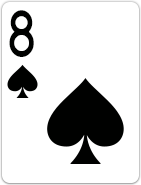
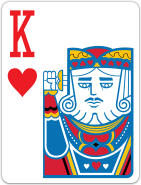
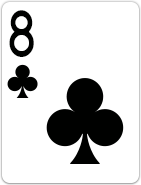
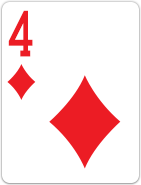
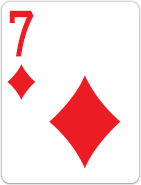
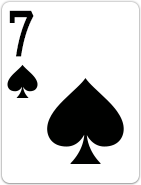
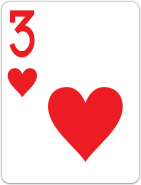
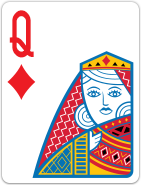
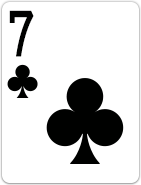
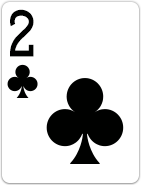
What is Napoleon at St Helena?
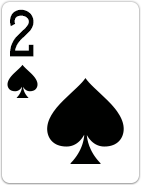
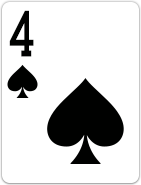
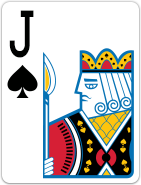
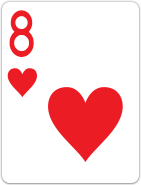
Napoleon at St Helena — also known as Forty Thieves — uses two decks, ten tableau columns, same-suit tableau building, eight foundations, and a stock that can only be used once. Forty cards start on the tableau, four in each column.
Only one exposed card moves at a time, so a same-suit landing is valuable when it releases a low card needed by a foundation. Check the waste top before another draw covers it.
Full rules
Two 52-card decks (104 cards). Ten tableau columns each receive four face-up cards (40 total). The remaining 64 cards form the stock, dealt one at a time to a waste pile; the stock cannot be recycled. Eight foundations build upward by suit from Ace to King.
Tableau columns build downward by same suit only — a 7 of hearts can only go on an 8 of hearts. Only one card moves at a time (no group moves). Only the top card of each column is available. Empty columns accept any single card.
Same-suit building limits landings
Alternating-color games like Klondike and Emperor allow many more legal tableau destinations per card — any card of the right rank can go on any card of the opposite color. Napoleon at St Helena restricts occupied-column destinations to the same suit, so a card needs an exposed one-rank-higher card of its suit. An empty column can still accept any exposed single card.
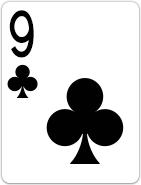
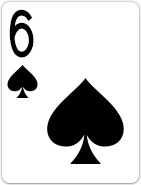
If a 9 of Clubs covers a 6 of Spades, moving the 9 to an exposed 10 of Clubs or an empty column can release the 6. Compare the next card that move exposes with the destination it covers before drawing.
Read the Napoleon at St Helena strategy guide →
The single-pass stock
Napoleon at St Helena allows the stock to be used only once. A draw covers the current waste top, which cannot be reached again until cards above it move. Before drawing, check whether that top card improves a foundation path or unblocks a same-suit sequence.
The single-pass limit also means that “waiting” for a better opportunity by leaving a tableau move unmade is often wrong — the stock will not cycle back to provide a second chance.
How Napoleon at St Helena compares
- Emperor — two decks, alternating-color group moves, hidden cards, and one stock pass
- Gargantua — two-deck Klondike variant; two stock passes; nine columns
- Miss Milligan — two-deck, deal-as-you-go; Waive mechanic
Napoleon at St Helena is part of Grand Plaza · Forty Thieves & two-deck builders.
More Forty Thieves & two-deck builders games
- Canister — A one-deck eight-column builder with four cards in the middle row.
- Colonel — A three-row tableau exposes cards only after the cell beneath is cleared.
- Deauville — Thirty hidden tableau cards give way to alternating-color building.
- Diplomat — Two-deck patience with eight tableau piles.
- Dress Parade — Hidden-card alternating-color columns allow packed sequence moves.
- Emperor — Two-deck Forty Thieves relative with waste play.
Also try
- Babette (Blockade games) — Two-deck blockade with ascending and descending suit foundations.
- Big Ben (Layout, cross & clock-face games) — Clock-face foundations building by suit.
- Miss Milligan (Miss Milligan & row dealers) — Double-deck patience with a weave reserve.
Learn